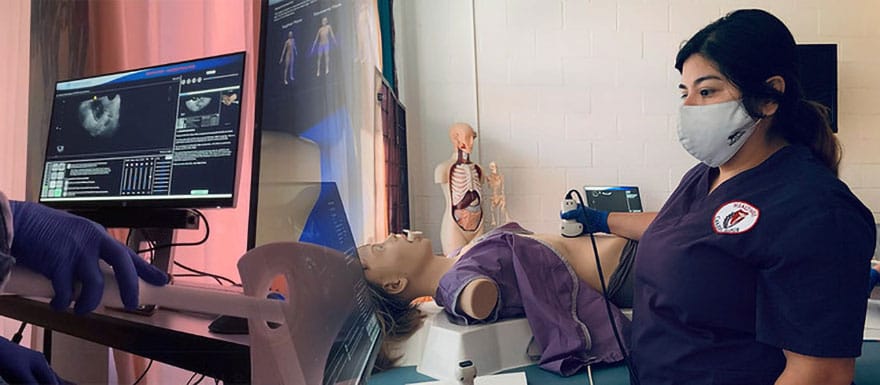
Computer vision, an interdisciplinary field that enables computers to interpret and understand visual information from the real world, is rapidly reshaping industries and everyday life. From autonomous vehicles to medical imaging, its applications are diverse and impactful.
Table of Contents
Introduction to Computer Vision
At its core, computer computer world.biz/ vision mimics human vision processing and understanding digital images or videos. It employs algorithms and techniques to extract meaningful insights from visual data, revolutionizing various sectors like healthcare, agriculture, and manufacturing.
History of Computer Vision
Computer vision traces its origins back to the 1960s when researchers began exploring pattern recognition and image processing. Over the decades, advancements in hardware and algorithms have propelled the field forward, leading to breakthroughs in image analysis and machine learning.
Basics of Computer Vision
Image Acquisition
The process of capturing images through cameras or sensors is fundamental to computer vision. High-quality image acquisition ensures accurate analysis and interpretation of visual data.
Image Processing
Image processing techniques involve enhancing, analyzing, and manipulating digital images to extract relevant information. Tasks such as noise reduction, edge detection, and feature extraction are crucial for effective computer vision systems.
Applications of Computer Vision
Healthcare
Computer vision plays a pivotal role in medical imaging, assisting clinicians in diagnosis, treatment planning, and surgical procedures. From detecting tumors in radiology scans to analyzing cellular structures, it enhances medical practices and improves patient outcomes.
Automotive Industry
In the automotive sector, computer vision enables advanced driver-assistance systems (ADAS) and autonomous vehicles. Cameras and sensors perceive the surrounding environment, enabling functions like lane departure warning, adaptive cruise control, and pedestrian detection.
Agriculture
By analyzing aerial imagery and crop patterns, computer vision optimizes agricultural practices, improving yield prediction, pest management, and crop monitoring. It enhances efficiency and sustainability in farming, ensuring food security for growing populations.
Challenges in Computer Vision
Despite its advancements, computer vision faces several challenges, including image quality issues, complex object recognition, and real-time processing constraints. Overcoming these hurdles requires innovative solutions and continuous research efforts.
Recent Advances in Computer Vision
Deep Learning
Deep learning techniques, particularly convolutional neural networks (CNNs), have revolutionized computer vision tasks. They enable accurate image classification, object detection, and semantic segmentation, surpassing traditional methods in performance and scalability.
3D Computer Vision
The integration of depth information into computer vision systems facilitates 3D scene understanding and reconstruction. It enhances applications like augmented reality, robotics, and virtual simulations, offering immersive user experiences.
Image Segmentation
Image segmentation algorithms partition images into meaningful regions, enabling precise object localization and boundary delineation. They are essential for tasks like medical image analysis, autonomous navigation, and video surveillance.
Future Trends in Computer Vision
Augmented Reality
Augmented reality (AR) merges digital content with the real world, creating interactive experiences through computer vision and sensor technology. It has vast potential in gaming, education, marketing, and remote assistance.
Autonomous Vehicles
Advancements in computer vision are driving the development of autonomous vehicles, promising safer and more efficient transportation systems. Machine learning algorithms enable vehicles to perceive and navigate complex environments, reducing accidents and congestion.
Medical Diagnosis
Computer vision holds promise in revolutionizing medical diagnosis, facilitating early detection and personalized treatment strategies. AI-powered systems analyze medical images with unprecedented accuracy, aiding in the detection of diseases like cancer and Alzheimer’s.
Impact of Computer Vision on Society
The widespread adoption of computer vision technologies is reshaping societies worldwide, influencing industries, economies, and lifestyles. While it offers immense benefits in efficiency, safety, and innovation, it also raises concerns about privacy, ethics, and job displacement.
Conclusion
In conclusion, computer vision is a transformative technology with far-reaching implications across various domains. Its ability to interpret and analyze visual data opens doors to innovation and progress, heralding a future where machines perceive and interact with the world in ways previously unimaginable.