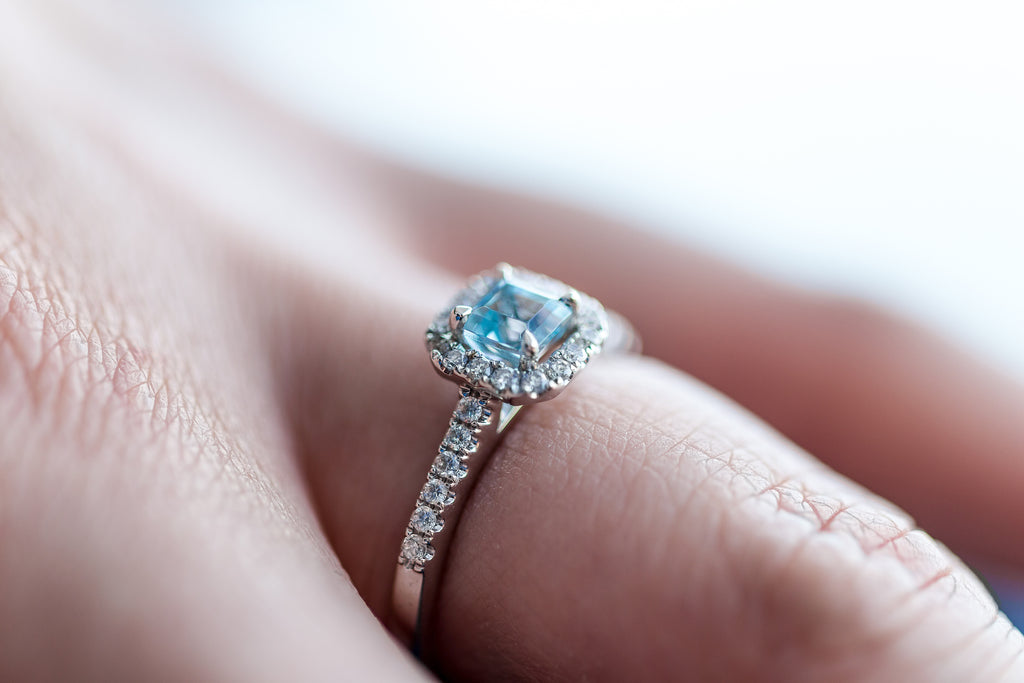
Choosing fine jewelry involves more than finding a stone that looks beautiful. Buyers also need to understand quality, pricing, durability, and the details that make a piece suitable for everyday wear. Interest in lab diamonds Australia has grown as shoppers explore alternatives to mined diamonds for engagement rings, wedding bands, and personal jewelry.
Laboratory-grown diamonds offer the same essential material properties as natural diamonds. However, their origin, market pricing, and resale considerations differ. Understanding these distinctions helps buyers make informed decisions without relying on marketing claims.
Table of Contents
What Makes a Laboratory-Grown Diamond Different?
A laboratory-grown diamond is a real diamond created through a controlled manufacturing process. It consists of carbon arranged in the same crystal structure as a natural diamond. Both types share the same hardness and can display similar brilliance, fire, and sparkle.
The main difference lies in how they form. Natural diamonds develop deep within the Earth over geological periods. Laboratory-grown diamonds form through advanced technology that recreates the conditions needed for diamond crystal growth.
How the Two Main Production Methods Work
High Pressure High Temperature, or HPHT, uses intense pressure and heat to grow a diamond crystal. Chemical Vapor Deposition, or CVD, uses a carbon-rich gas inside a controlled chamber. Carbon atoms gradually build a diamond layer on a prepared seed.
Both methods can produce high-quality stones. Neither method automatically guarantees better beauty or value. The finished diamond’s cut, color, clarity, and grading matter more than the production method alone.
Understanding the Four Cs Before You Buy
The Four Cs provide a useful framework for comparing diamonds. They describe cut, color, clarity, and carat weight. A grading report helps buyers compare stones using consistent information rather than appearance alone.
Cut and Light Performance
Cut has a major effect on how a diamond handles light. A well-cut stone reflects light effectively and creates a balanced appearance. Poor proportions can make a diamond look dull, even when its color and clarity grades are high.
For round brilliant diamonds, review the cut grade and proportions. Fancy shapes, such as oval, pear, and emerald cuts, require closer visual inspection. Their appearance depends on shape-specific factors that a single grade may not fully describe.
Color, Clarity, and Carat Weight
Color grades describe how much body color appears in a diamond. Many buyers find near-colorless grades attractive, especially when paired with a suitable metal. Clarity grades describe internal inclusions and surface features.
An eye-clean diamond may offer excellent visual appeal without the cost of a higher clarity grade. Carat measures weight, not the stone’s exact dimensions. Compare measurements because two diamonds with equal carat weights can appear different in size.
How to Compare Lab Diamonds Australia for Value
A useful comparison starts with diamonds of similar shape, carat weight, cut quality, color, and clarity. Price differences may reflect grading, proportions, retailer services, or the quality of the finished jewelry. Comparing only carat weight can lead to misleading conclusions.
Ask for the grading report before making a purchase. Independent laboratories such as GIA and IGI provide reports that identify laboratory-grown diamonds and describe their characteristics. Check the report number and confirm that the stone matches the documentation.
A lower price does not always mean better value. Consider the setting, warranty, return policy, and any resizing or maintenance services. These details can affect the long-term cost of owning the jewelry.
Choosing the Right Shape and Setting
Diamond shape influences both style and practical wear. Round stones offer a classic appearance, while oval and pear shapes create an elongated look. Emerald cuts emphasize clean lines and broad flashes of light.
The setting protects the stone and determines how the jewelry feels during daily use. A low-profile setting may suit someone who works with their hands. A higher setting can create a more prominent appearance but may catch on clothing.
Popular Setting Options
Prong settings allow light to enter the diamond and create an open appearance. Bezel settings surround the stone with a metal rim, offering additional edge protection. Halo settings place smaller stones around the center diamond to create a larger visual effect.
For engagement rings, consider the wearer’s routine and personal style. A delicate setting may look appealing but require more care. A sturdy design with secure prongs or a bezel can be a practical choice for frequent wear.
Comparing International Jewelry Markets
Buyers sometimes compare retailers across countries to understand pricing, design options, and available services. For example, someone researching Lab grown diamonds Singapore may notice different setting styles, delivery arrangements, or after-sales policies. These differences often reflect retailer practices rather than changes in the diamond’s fundamental properties.
International purchases require additional planning. Review currency conversion, shipping insurance, import duties, and applicable taxes before ordering. Confirm whether the retailer accepts international returns and who pays the return shipping costs.
A local jeweler may offer easier access to resizing and repairs. An overseas retailer may provide a particular design or stone selection. Compare the complete purchase experience rather than focusing only on the advertised price.
Certification, Treatments, and Disclosure
A grading report should clearly identify the diamond as laboratory-grown. It may also disclose growth methods and certain post-growth treatments when applicable. Treatments can improve or modify color, so buyers should review the report and ask questions when details are unclear.
A certificate does not guarantee that a diamond is the best choice for every buyer. It provides standardized information that supports comparison. Visual inspection remains useful, especially for fancy shapes and stones with unusual proportions.
Ask the retailer to explain any differences between the report and the product listing. Reputable sellers should provide clear information about the diamond’s origin, characteristics, and any treatments. Keep the report and purchase receipt for future reference.
Budgeting for the Complete Piece
Set a total budget before choosing a center stone. Include the diamond, metal, setting, taxes, and any delivery charges. This approach prevents the stone from consuming funds needed for a secure, well-made setting.
For example, a buyer might choose a slightly smaller diamond with excellent cut quality instead of a larger stone with weaker light performance. Another buyer may prefer a simple solitaire over a detailed halo. Both choices can create attractive jewelry while keeping spending under control.
Consider metal durability and maintenance as well. Platinum, yellow gold, white gold, and rose gold each have different appearances and care needs. White gold may require periodic rhodium replating, depending on the alloy and desired finish.
Caring for Your Jewelry
Diamonds resist scratching, but they can still chip under a strong impact. Settings can also loosen through regular wear. Remove rings during activities that expose them to heavy knocks or harsh chemicals.
Clean diamond jewelry with warm water, mild dish soap, and a soft brush when appropriate for the setting. Avoid aggressive cleaning methods if the piece contains delicate details or other gemstones. Have a jeweler inspect prongs and settings periodically.
Store pieces separately to prevent diamonds from scratching other jewelry. Keep purchase records and grading reports in a safe place. These documents can help with insurance, repairs, and future identification.
Making a Confident Final Choice
The best purchase balances appearance, quality, comfort, and cost. Review several stones under different lighting conditions when possible. Ask for clear photographs or videos if you shop online, and confirm the return terms before paying.
Buyers exploring lab diamonds Australia should focus on transparent grading, reliable craftsmanship, and realistic expectations about long-term value. Laboratory-grown diamonds generally have different resale dynamics from natural diamonds, so they should not be purchased with guaranteed appreciation in mind.
Researching Lab grown diamonds Singapore or other international markets can broaden your options, but the same buying principles apply everywhere. Choose a diamond you enjoy wearing, understand the full purchase terms, and select a retailer that provides dependable support after the sale.