Diamonds are among the easiest types of fine jewelry, but choosing a nice pair might be more difficult than one could expect. Although the carat weight has an evident impact on the appearance of a pair of stud earrings, the cut, shape, setting, metal, and the ratio between two stones in one pair can also have quite an effect.
Therefore, for those looking to purchase lab-grown diamond jewelry in Spain, the following guide will help make the choice according to one’s expectations.
Table of Contents
What to Consider When Buying Diamond Studs
A good pair of stud diamond studs that look good on both sides of your face is not created making sure both earrings have the same diamond grading report. Instead it is about the cut and the general appearance when worn.
The four Cs – cut, colour, clarity and carat weight – are essential to the process of selecting your earrings because each one describes a particular characteristic of an individual diamond.
The cut is essentially about how exactly the diamond reflects light, while the colour describes the bodycolour that can be seen in the stone. Finally, clarity describes any inclusions and imperfections that can be seen in the diamond, while the weight describes the mass of the diamond.
While the value of individual diamonds are determined the characteristics, two diamonds with the exact same carat weight can look significantly different if they have different shapes. Taking the measurement of diamonds is therefore an important part of choosing earrings.
Particular Importance of Cut in Stud Earrings
It is easy to forget about the importance of cut when it comes to considering diamond earrings. This is because they are worn on the front of a person so that the sparkle they create is right there for everyone to see.
Round brilliant cuts have been created to maximise a diamond’s potential to reflect the light back, creating an enhanced level of brilliance and sparkle. Other cuts including oval, pear, princess and cushion also provide their own unique appeal; however, it is important to look out for length and width.
Those wanting to compare options when choosing diamond stud earrings can review the potential differences relating to carat weight, shape and setting. They may also look at how such factors transform the appearance of a pair of earrings.
Selecting the Setting and Metal for Stud Earrings
The choice of metal will affect the look of the earrings, as will the setting that holds the diamonds in place, which leaves some more exposed, for example, while others encircle it and change the apparent shape.
White gold, yellow gold, rose gold and platinum are popular choices for stud earrings, again with considerations about appearance playing a key role in the choice. It is also important to consider how tightly the earrings meet together, what mechanism is used to attach them and whether maintenance is needed for the particular metal chosen.
Stud earrings which are worn regularly lab diamonds be inspected for loose settings or backs, particularly if the wearer has active hands.
Lab-Grown Diamond Stud Earrings: Appearance Considerations
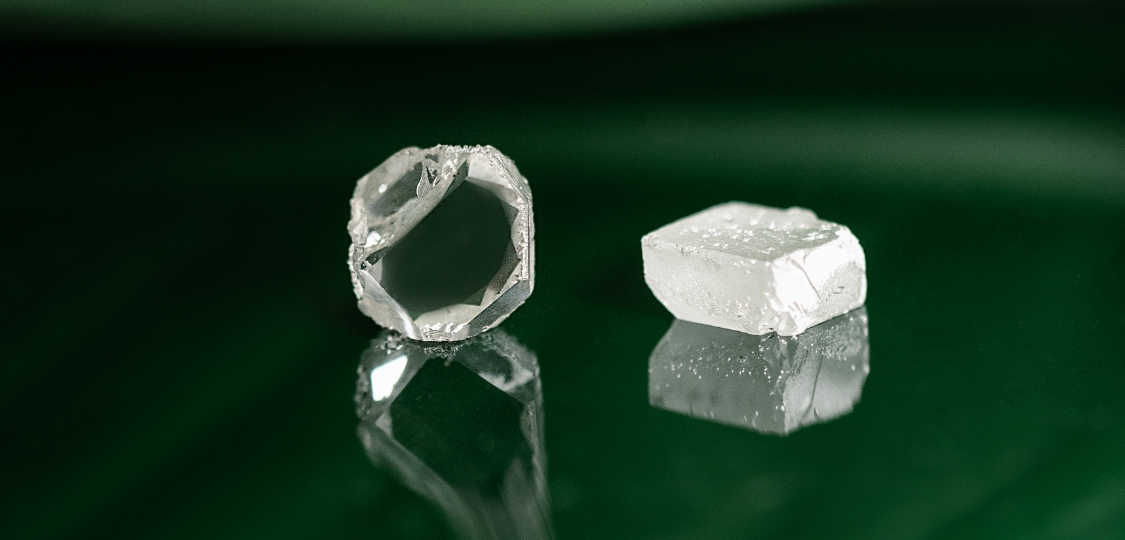
Lab-grown diamonds are diamonds formed under controlled conditions, rather than naturally occurring in the earth. They can be formed using two different processes, either Chemical Vapour Deposition or CVD, or High Pressure High Temperature or HPHT.
The process which they are formed does not dictate their appearance, and it is important to assess each stone for their cut, colour, clarity, length, width, as well as grade, in order to ensure that they are suited to be grouped together
Lab-grown diamonds need to be distinguished from diamond simulants, such as moissanite and cubic zirconia, which are made from different materials.
Assess the Pair, Not Simply the Diamonds
Diamond grading reports will identify the characteristics of an individual stone, but it is important to consider the overall appearance of a pair of earrings.
Before making a purchase, buyers should therefore consider:
- • The face-up length and width of each stone;
- • The colour and clarity of each stone;
- • The shape of the diamonds;
- • The setting metal and its appearance;
- • The mechanism used to secure the earrings;
- • The available grading reports;
- • The return, maintenance and after-sales policy of the jeweller.
A small difference in carat weight may be barely perceptible once the earrings are worn, for example, while an obvious difference in length or shape will be immediately apparent.
Frequently Asked Questions
Are lab-grown diamond studs real diamonds?
Lab-grown diamonds are diamonds which have been grown in a controlled environment. They should not be confused with diamond simulants such as moissanite or cubic zirconia.
Is a higher carat weight always better for stud earrings?
Carat weight relates to the mass of a diamond rather than its beauty or appearance. Cut quality, proportions and length/width can have a significant impact on an individual diamond’s sparkle, for example.