Introduction
In the world of automotive engineering, one of the most critical aspects that determine the performance, fuel efficiency, and overall driving experience of a vehicle is its aerodynamics. From the sleek sports cars designed for speed to everyday vehicles aimed at reducing fuel consumption, aerodynamics plays a vital role in how a vehicle interacts with the air around it.
Understanding vehicle aerodynamics is essential not only for improving efficiency but also for enhancing safety, stability, and driving comfort. This article will delve into the importance of https://squee lee.com/, how it works, the factors that influence it, and the benefits it offers to both drivers and manufacturers.
Table of Contents
What Is Vehicle Aerodynamics?
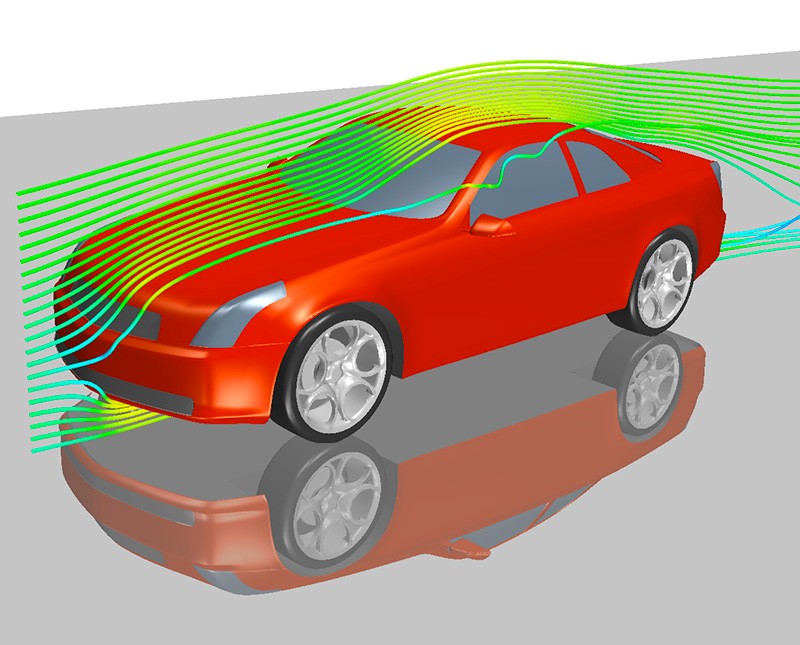
Vehicle aerodynamics refers to how a vehicle moves through the air and the forces that act upon it while in motion. The study of aerodynamics in vehicles aims to reduce air resistance or “drag,” which can significantly impact fuel consumption and performance. When a vehicle is in motion, air resistance is one of the primary forces working against it, and reducing this resistance helps the vehicle move more efficiently, requiring less energy to maintain speed.
Aerodynamics also plays a key role in vehicle stability, ensuring that vehicles remain stable at higher speeds and are less susceptible to wind forces. This is particularly important for high-performance cars, but also crucial for everyday vehicles on highways.
How Vehicle Aerodynamics Works
When a vehicle moves, it pushes air out of the way, creating a wake behind it. The interaction between the vehicle’s surface and the air determines how efficiently the vehicle can travel. Several forces come into play during this interaction, including:
1. Drag
Drag is the resistance a vehicle faces as it moves through the air. It is largely influenced the vehicle’s shape, surface area, and how air flows around it. A vehicle with a less streamlined shape will experience higher drag, meaning more energy is required to maintain speed.
Reducing drag is essential for improving fuel efficiency. A vehicle’s drag coefficient (Cd) is a key indicator of how aerodynamically efficient it is. Lowering the drag coefficient leads to better fuel economy and faster speeds with less energy consumption.
2. Lift
Lift is the upward force created the air moving over and under a vehicle as it travels. While lift is beneficial for airplanes to keep them in the air, in the context of road vehicles, lift can be undesirable. Excessive lift can reduce the stability of a car, making it feel lighter and more prone to being affected wind gusts.
To counteract lift, vehicle manufacturers design cars with features like spoilers, diffusers, and venturi tunnels that direct air to create downforce, which keeps the vehicle firmly planted on the road.
3. Downforce
Downforce is the force that pushes a vehicle down towards the ground, increasing tire grip and improving handling, especially at high speeds. High-performance sports cars often incorporate advanced aerodynamic features such as rear spoilers and front diffusers to generate downforce and enhance cornering stability.
For everyday vehicles, however, excessive downforce is not typically necessary. Manufacturers balance the need for downforce with the goal of reducing drag to improve fuel efficiency.
Key Factors That Influence Vehicle Aerodynamics
Several factors affect the aerodynamics of a vehicle. These include design elements, external conditions, and vehicle speed. Let’s take a closer look at some of the key contributors:
1. Vehicle Shape
The shape of a vehicle plays a significant role in how air flows over it. Vehicles with smooth, rounded shapes create less drag compared to those with boxy or angular designs. This is why sports cars and high-performance vehicles often have sleek, curvaceous designs to optimize airflow and reduce drag.
The front end of a vehicle is particularly crucial for aerodynamic efficiency. A rounded front reduces air resistance, while a more vertical or flat front increases drag. Modern cars tend to have sloped hoods and front grilles that help air move smoothly around the vehicle.
2. Surface Area and Features
The larger the vehicle’s surface area, the more air it needs to move out of the way, resulting in higher drag. Therefore, reducing surface area where possible is important for optimizing aerodynamics. This is why sports cars often have a low, wide profile compared to larger SUVs or trucks.
Additional features like side mirrors, roof rails, and spoilers also impact the vehicle’s aerodynamics. For example, side mirrors create drag, and manufacturers may use smaller, integrated mirrors or cameras to reduce drag.
3. Ground Clearance
The space between the vehicle and the ground (ground clearance) affects how air flows underneath the vehicle. A higher ground clearance increases the vehicle’s drag because the air can flow more freely under the vehicle, creating turbulence. Lowering the vehicle reduces drag, which is why many performance vehicles have a low ground clearance to optimize aerodynamics.
4. Wheel Design
Wheels are another crucial factor in vehicle aerodynamics. The way air flows around the wheels can contribute to drag, especially at higher speeds. Many modern vehicles use aerodynamic wheel covers or designs to reduce air resistance around the tires.
For performance cars, wheels are often designed to minimize turbulence and reduce drag, which is why they often feature closed or spoke-free designs.
5. Vehicle Speed
At higher speeds, air resistance increases exponentially. This is why aerodynamics becomes even more important at highway or high-performance speeds. For this reason, vehicles designed for high speeds, such as sports cars or racing cars, are built with highly aerodynamic bodies to reduce drag and maintain stability.
Aerodynamic Features in Modern Vehicles
Manufacturers employ a variety of aerodynamic features to enhance vehicle performance and fuel efficiency. Here are some of the most common aerodynamic features found in modern cars:
1. Spoilers and Splitters
Spoilers are designed to disrupt airflow and generate downforce, helping to keep the vehicle stable at high speeds. Splitters, often found on the front bumper, help channel air underneath the vehicle to increase downforce and reduce lift.
2. Active Aerodynamics
Active aerodynamics involves adjustable components that change their shape or position based on speed and driving conditions. For example, some cars feature retractable rear spoilers that deploy at high speeds to increase downforce and stability. This technology ensures that a vehicle maintains optimal aerodynamic performance in different driving scenarios.
3. Vents and Diffusers
Vents in the front and rear of the car help direct airflow over and under the vehicle, reducing drag and managing downforce. Diffusers are used to increase downforce channeling air from underneath the car, and they also improve the vehicle’s overall aerodynamic efficiency.
4. Streamlined Grilles
Traditional grilles in vehicles allow air to cool the engine, but they can also create drag. Modern vehicles often incorporate streamlined, active grilles that open and close based on engine temperature, improving aerodynamics while still providing cooling airflow when needed.
The Benefits of Vehicle Aerodynamics
1. Improved Fuel Efficiency
The most notable benefit of good aerodynamics is improved fuel efficiency. By reducing drag and air resistance, a vehicle requires less energy to maintain speed, resulting in lower fuel consumption. For hybrid and electric vehicles, this can significantly increase their range on a single charge.
2. Enhanced Performance and Stability
Aerodynamics also plays a crucial role in vehicle performance, especially for high-speed driving. By reducing lift and generating downforce, a car’s stability is improved, leading to better handling and cornering at high speeds. For sports cars and racing vehicles, optimal aerodynamics is essential for maintaining speed and control.
3. Reduced Carbon Footprint
With better fuel efficiency, vehicles that are aerodynamically optimized contribute to a reduction in carbon emissions. This is a crucial factor in the global push toward sustainable and eco-friendly transportation solutions.
4. Quieter Ride
Aerodynamic designs also help reduce wind noise, leading to a quieter, more comfortable ride. As air flows more smoothly around the vehicle, there is less turbulence, which decreases the noise created wind resistance.
The Future of Vehicle Aerodynamics
The future of vehicle aerodynamics is focused on further enhancing fuel efficiency, performance, and sustainability. Emerging technologies such as lightweight materials, electric vehicles, and more advanced active aerodynamics are expected to drive significant improvements in vehicle design. In addition, the continued development of autonomous vehicles may lead to more streamlined designs optimized specifically for the needs of self-driving technology.
Conclusion
Vehicle aerodynamics is a crucial aspect of modern automotive design, impacting fuel efficiency, performance, safety, and sustainability. By optimizing aerodynamics, vehicle manufacturers can produce cars that are not only faster and more efficient but also environmentally friendly. As technology continues to evolve, vehicle aerodynamics will play an even more important role in shaping the future of transportation.