Table of Contents
Understanding the Basics: What is Blockchain?
Decentralized Ledger System
At its core, a blockchain is a decentralized and distributed ledger system. It functions as a secure and transparent database that records transactions across multiple computers in a network. Unlike traditional centralized databases, which rely on a single point of control, blockchain operates on a peer-to-peer network, ensuring that no single entity has control over the entire system.
Blocks and Chains
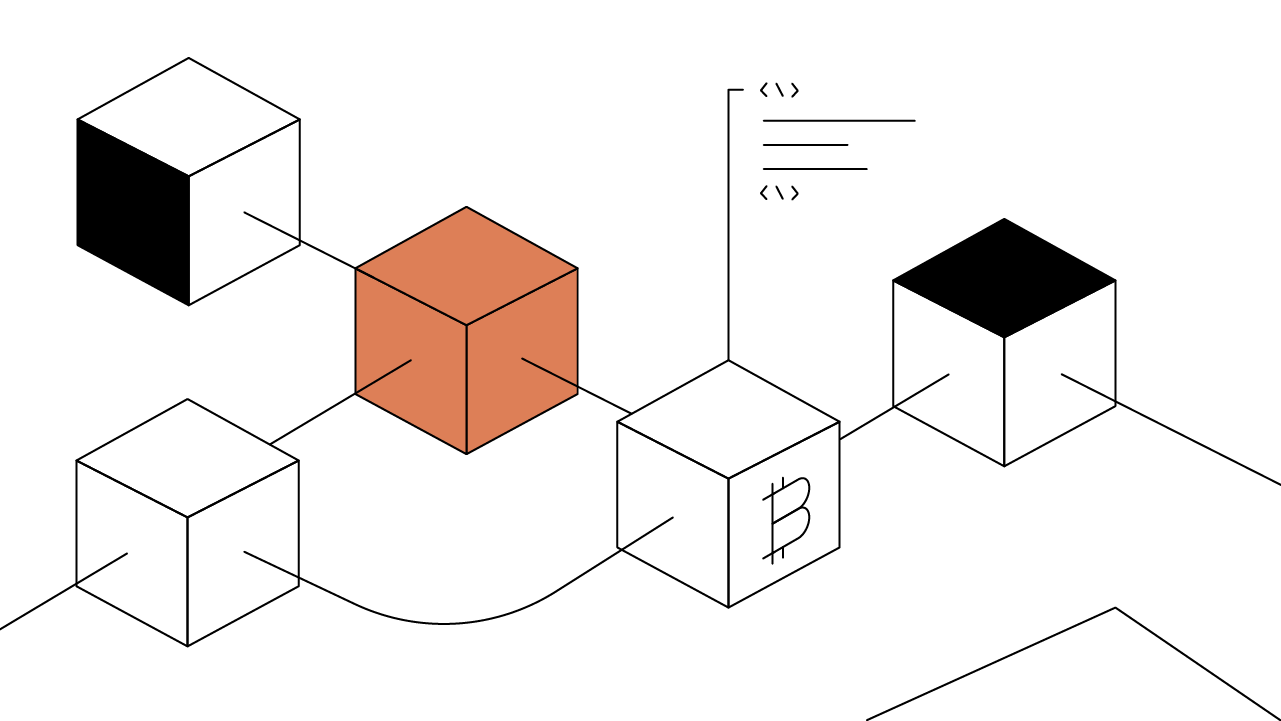
The term “blockchain” itself signifies its structure. Transactions are grouped together into blocks, and each block is linked to the previous one, forming a chain of blocks. This chain of blocks constitutes a chronological and unalterable record of transactions.
Cryptographic Hash Functions
The integrity and security of a blockchain are maintained through cryptographic hash functions. Each block contains a unique identifier, called a hash, generated using complex mathematical algorithms. Any alteration in the block’s data, even a minor change, would result in an entirely different hash. This makes it practically impossible to tamper with previous blocks without altering subsequent ones, ensuring the immutability of the entire chain.
The Key Components of Blockchain Technology
1. Decentralization
Blockchain operates on a decentralized network of nodes, each maintaining a copy of the entire blockchain. This decentralization ensures that no single entity has control, making the system resistant to censorship and single points of failure.
2. Consensus Mechanisms
Consensus mechanisms are protocols that enable nodes in the network to agree on the validity of transactions and the state of the blockchain. Popular mechanisms include Proof of Work (PoW) and Proof of Stake (PoS), each with its unique approach to achieving agreement among nodes.
3. Smart Contracts
Smart contracts are self-executing contracts with the terms of the agreement directly written into code. These contracts automatically execute when predefined conditions are met, removing the need for intermediaries and streamlining processes.
4. Public and Private Blockchains
Public blockchains, like Bitcoin and Ethereum, are open to anyone and maintain a high level of transparency. In contrast, private blockchains restrict access, often used enterprises for internal processes, ensuring privacy and control over the network.
The Blockchain Process: How Transactions are Verified
1. Transaction Initiation
When a participant initiates a transaction, it is broadcasted to the entire network. The transaction includes details such as sender, receiver, and the amount.
2. Verification and Consensus
Nodes in the network validate the transaction using the consensus mechanism in place. This process ensures agreement on the validity of the transaction before it is added to the block.
3. Block Formation
Once verified, the transaction is grouped with others to form a block. The block is then added to the existing Teens4technology.org/, creating a continuous and irreversible chain of transactions.
4. Mining (for Proof of Work)
In Proof of Work systems, miners compete to solve complex mathematical puzzles to validate transactions and add blocks to the blockchain. This process requires significant computational power and energy.
Use Cases Beyond Cryptocurrency
While blockchain technology gained prominence through cryptocurrencies, its applications extend far beyond financial transactions:
1. Supply Chain Management
Blockchain enables transparent and traceable supply chains. Each step in the supply chain, from production to distribution, can be recorded on the blockchain, reducing fraud and ensuring product authenticity.
2. Healthcare
In healthcare, blockchain can secure patient data, streamline record-keeping, and provide a secure platform for sharing medical information among authorized parties.
3. Identity Verification
Blockchain can revolutionize identity verification creating a decentralized and secure system. Individuals can control access to their personal information, reducing the risk of identity theft.
4. Voting Systems
Blockchain has the potential to enhance the security and transparency of voting systems. Each vote can be recorded on the blockchain, ensuring the integrity of the electoral process.
Challenges and Future Developments
1. Scalability
One challenge facing blockchain is scalability. As the number of transactions increases, the network may face delays and increased costs. Solutions like layer-2 scaling and improved consensus algorithms aim to address this issue.
2. Regulatory Uncertainty
The regulatory landscape surrounding blockchain and cryptocurrencies is evolving. Clarity in regulations is crucial for the widespread adoption of blockchain technology.
3. Interoperability
Achieving interoperability between different blockchain networks remains a challenge. Efforts are underway to create standards and protocols that facilitate communication between diverse blockchain systems.
Conclusion: The Revolutionary Potential of Blockchain
Blockchain technology, with its decentralized and transparent nature, has the potential to revolutionize industries beyond finance. Understanding its technical intricacies provides insight into the innovative mechanisms that drive its success. As blockchain continues to evolve, its impact on various sectors promises a future where trust, security, and efficiency converge in unprecedented ways.