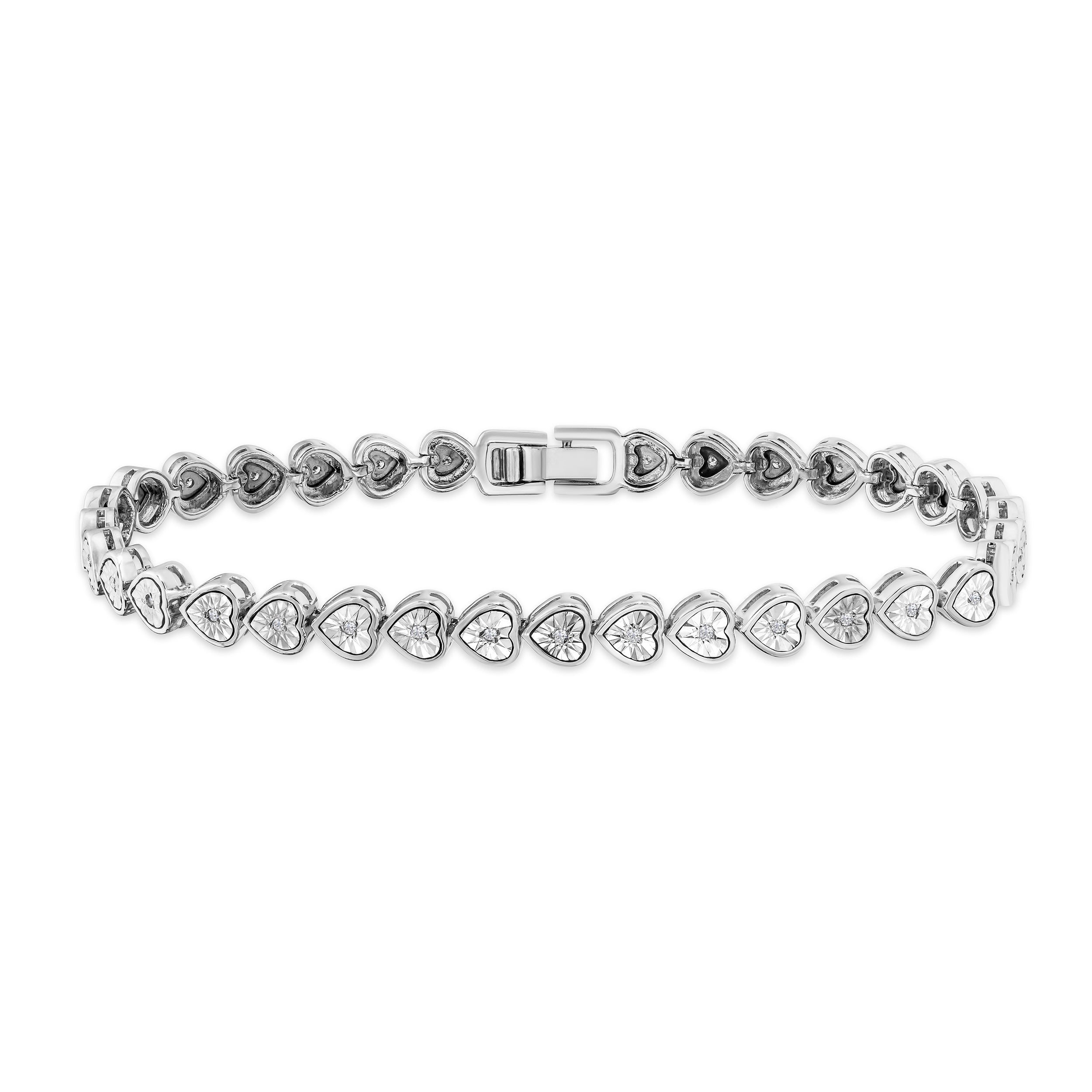
A gold ring sitting unused in a drawer can have immediate value without needing to be listed online or advertised to private buyers. The same applies to watches, jewellery, precious metals and other items that a pawnbroker is willing to accept.
That convenience is one reason pawn shops have remained useful. Yet many people walk into one without knowing how the transaction actually works. Pawning an item and selling it are two different arrangements, and understanding that distinction can help you make a better decision before handing over something valuable.
Table of Contents
What Does a Pawn Shop Actually Do?
A pawn shop generally provides two main options: you can sell an accepted item outright or use it as security for a short-term loan.
If you sell, the transaction is relatively straightforward. The shop examines the item, makes an offer and, if you accept, purchases it from you. Ownership then passes to the buyer.
Pawning works differently. Instead of permanently selling the item, you leave it with the pawnbroker as security against money you borrow. You normally have an agreed period in which to repay the amount along with applicable interest, fees and other charges disclosed under the agreement.
Once the agreed amount has been repaid, the item is returned to you. If the agreement is not completed as required, what happens to the item depends on the contract and applicable laws.
How Pawn Shops Decide What an Item Is Worth
A common misconception is that an item’s original purchase price determines what a pawn shop will offer. In practice, valuation is usually based much more heavily on what the item is worth in its current condition and how readily it can be resold.
For jewellery, several details can matter.
Precious Metal Content
Gold jewellery may be assessed for its gold content rather than simply its appearance or original retail price. Karat or fineness markings can provide useful information, although a professional buyer may also test the metal.
Weight matters as well. Two pieces that look similar can contain very different amounts of precious metal depending on their construction, purity and components.
The same general principle applies to silver, platinum and other valuable metals.
Gemstones and Diamonds
A diamond ring requires a different assessment from a plain gold chain. Diamond value can be affected carat weight, cut quality, colour and clarity, but those characteristics do not operate independently.
A heavier diamond is not automatically worth more than every smaller stone. Cut, visible condition, quality and demand can all influence an assessment.
Documentation from a recognised grading laboratory may help establish a diamond’s characteristics, but paperwork does not automatically guarantee a particular resale or pawn value.
Condition and Resale Potential
Condition becomes particularly important for watches, branded jewellery and items whose value extends beyond their raw materials.
Damage, missing stones, heavy wear, non-working components or incomplete sets may affect an offer. On the other hand, a piece that has little value as finished jewellery could still contain valuable gold or another precious metal.
Pawning Versus Selling: Know the Difference
The choice depends largely on whether you want the item back.
Pawning can make sense when an item has sentimental or practical importance and you only need temporary access to funds. You retain the opportunity to recover it meeting the terms of the pawn agreement.
Selling is permanent. It may be more suitable for jewellery, broken gold, unwanted pieces or other valuables you no longer intend to keep.
Before choosing either option, ask yourself a simple question: would you regret permanently losing this item? If the answer is yes, carefully reviewing the pawn terms is especially important.
What Happens During a Jewellery Assessment?
The process usually begins with an inspection. For gold jewellery, this may involve checking hallmarks, weighing the piece and testing its metal content. Stones and non-gold components may need to be considered separately because the total weight of a ring or necklace does not necessarily equal its gold weight.
For diamonds and gemstone jewellery, the assessment may also consider stone characteristics, setting condition and resale demand.
People comparing specialist precious-metal services may also encounter businesses described as Melbourne gold buyers, where the transaction is focused on assessing and purchasing gold rather than providing a pawn loan.
A proper assessment should give you enough information to understand what is being offered before you decide whether to proceed.
Why the Offer May Be Lower Than the Original Retail Price
Jewellery retail prices can include design, manufacturing, store expenses, branding and retail margins. A second-hand buyer is looking at the item from a different perspective.
A pawnbroker also needs to consider the possibility that an item may eventually have to be resold. The expected resale value, condition, demand and costs associated with handling the item can therefore influence an offer.
This is why an expensive purchase receipt should not be treated as a guarantee of current cash value.
Questions Worth Asking Before You Agree
Do not feel pressured to accept the first figure immediately. For a pawn loan, make sure you understand the amount advanced, applicable interest and fees, repayment requirements, due dates and what happens if you cannot repay on time.
For an outright sale, confirm that you understand the offered amount and that the sale transfers ownership permanently.
It can also be useful to ask how the item was assessed, particularly with gold and jewellery. Understanding whether value is being attributed to metal content, gemstones, brand, condition or resale potential gives you better context for the offer.
Preparing Jewellery Before Visiting a Pawn Shop
You generally do not need to make an old piece of jewellery look brand new. Aggressive home cleaning can actually be risky for delicate settings, softer gemstones or older pieces.
Instead, gather anything that may help identify the item. This could include purchase receipts, diamond grading reports, watch boxes, authenticity documents or other relevant paperwork.
Inspect jewellery for loose stones or damaged clasps before transporting it. If a piece is particularly valuable or sentimental, consider obtaining an independent valuation before deciding to pawn or sell it.
Take Time to Read the Agreement
The speed of a pawn transaction should not replace careful decision-making.
If you are taking a loan against jewellery, read the agreement rather than focusing only on how much cash you will receive. The repayment amount, charges, time period and consequences of non-payment are equally important.
If you are selling, consider the permanence of the decision. Once ownership has transferred, recovering a sentimental piece may not be possible.
Understanding how pawn shops work makes the process much less uncertain. The key is knowing what your item contains, how its current value may be assessed and exactly what you are agreeing to before completing the transaction.