Table of Contents
Lab Created Diamonds Explained
A price difference jumps out fast when checking platinum diamond ring. One stone might seem nearly the same as another yet cost much less. This isn’t always about quality. More times than not, it boils down to where the diamond came from. Diamonds made in labs count as genuine. They aren’t fakes. Same inside, same strength, same sparkle – just like natural ones. Location sets them apart. Formed underground through eons? Not these. They grow in labs, shaped smart setups and steady conditions. That fact shifts what worth means. Want something tough that lasts? Either one handles life just fine.
Buyers Notice What’s Happening
A choice shows up when it comes time to pick a gem. Cost matters, how long it lasts counts too, plus what you feel years down the road. More people now pause before spending extra on earth-mined stones. Lab made options step forward at that moment. A clear reply forms around one basic thought. Maybe it’s possible to find a similar style and function at a lower price. Usually, that turns out true. What pulls people toward buying? This does
- For the same size, clarity comes at a lower price. Cost drops without shrinking dimensions. Same look, less expense. Price falls while keeping quality steady. Less money needed, even though scale stays fixed
- Transparent production process
- Wide availability of high-grade stones
- Consistent quality control
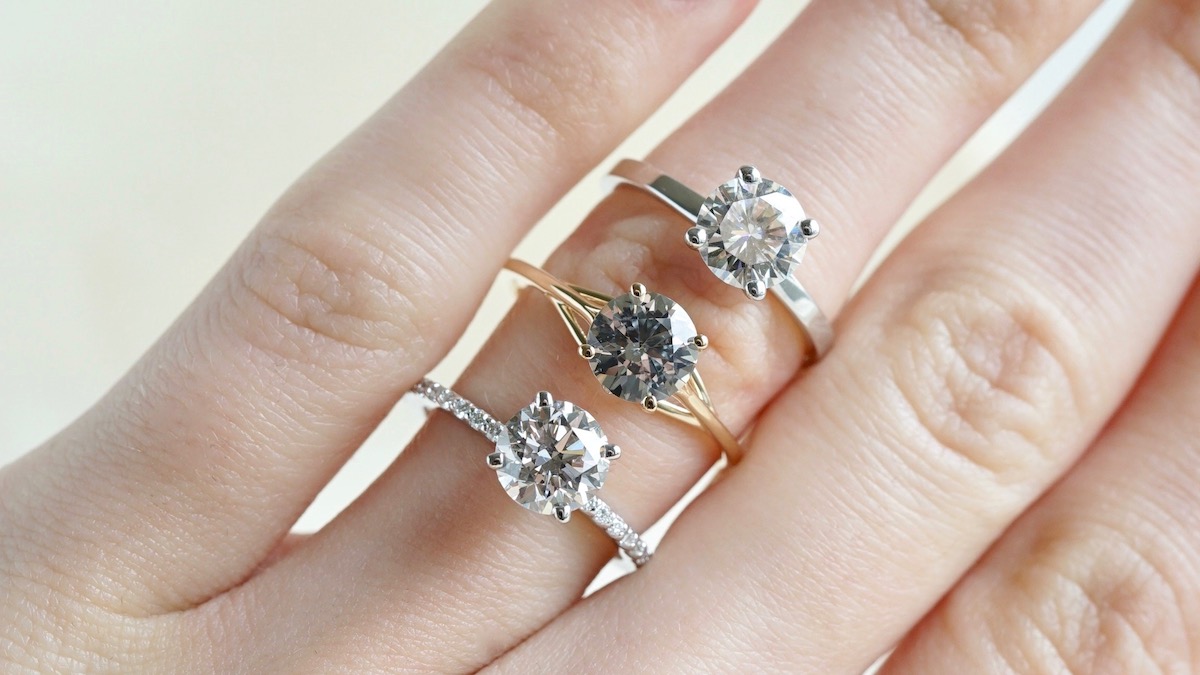
A single-carat lab created diamonds sits next to its lab-made twin. Though identical in look, one carries a noticeably lighter price tag. Where the earth-grown stone demands more, the man-made option asks much less. One emerges from deep rock layers; the other forms under controlled conditions. Cost differences appear clear once you examine them side side. Savings range between thirty and fifty per cent for the synthetic choice. That gap often shapes what buyers choose.
How They Are Made
It makes sense when you see how it works – suddenly, what’s in your cart feels clearer. One way does it like this, another takes a different path
High Pressure High Temperature
Under ground, things get heavy and hot. When carbon sits in that squeeze for long enough, it slowly turns into a diamond. The process waits on time, weight, and warmth doing their work together.
Chemical Vapor Deposition
Over time, gas plus regulated power builds up diamond sheets. Precision gets easier because of it. Real stones come out of both ways. They are not imitations. Picking one depends on certain quality details only. Method matters when those traits matter.
Quality Factors Still Matter
Though they come from varied sources, checking a diamond follows one steady path. Pay attention to the four key points:
- Cut: This affects how the diamond reflects light
- Color: Less color means a whiter appearance
- Fresh view? Less clutter inside brings sharper style. Marks fading into background lets the design breathe easier. Simplicity shows up when details pull back quietly. Clean lines stand out once distractions disappear. The eye settles where less competes for attention
- A single measure shows how big it looks. Size depends on this number alone
A single flaw can hide even in manufactured gems. Always review the analysis papers just the same. Take a badly shaped stone – its glow fades fast, no matter the origin.
Platinum Diamond Ring Settings
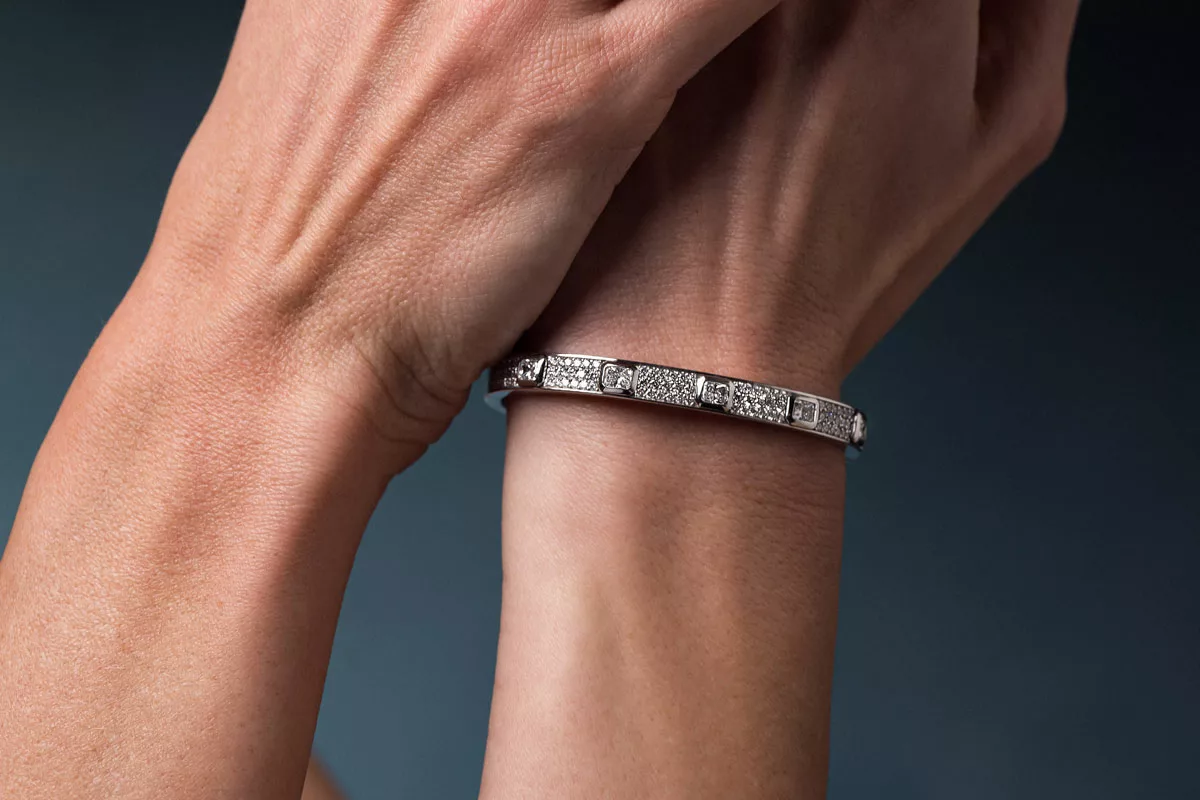
Strong stuff, platinum stands up to life’s bumps without wearing thin. That density means less bending, fewer dents. Keeps diamonds locked in place, year after year. Swap mined stones for lab made ones – same sparkle, lighter price tag. Built tough when worn every single day. Value shows up quietly, just like the look
- Shiny stuff stays strong. This kind holds up when others wear out. It keeps its look even after years go . Toughness runs deep in this material. Time passes but it stands firm
- Scratches? This stone laughs them off. Toughness built in, harm just slides away. Bumps and scrapes lose every time. Lasting power sits quietly at its core. Damage struggles to leave a mark
- A price tag that sits quieter than digging it out of the ground
Wearing it every day? That’s when this pairing really shines – especially for rings meant to last decades. Most people pick these styles because they handle daily life without losing their look. Think about it: even after years of use, the finish still holds up. Time proves its strength in real-world conditions. You see fewer scratches, less dullness over time. It just keeps going, quietly doing its job.
Cost Breakdown and What You Actually Pay For
It isn’t only about the stone when you buy a diamond. Brand image plays a part. So does where it comes from. Access to natural gems is limited, which lifts prices. Making diamonds in labs skips many of those added expenses. This changes price patterns in real ways. Big stones cost less than expected. Flawless types show up more often. Top-tier shapes fit tighter budgets. Picture this: swap a small mined gem for a bigger lab version. Or keep the size but get cleaner crystal. Choices open up fast.
Resale and Long Term Value
Think about how you’ll actually use it. While lab grown stones often lose worth after buying, so can natural ones. Yet hardly anyone sells their wedding band later on. What counts is what you receive when first getting it. Consider this instead: Is this meant to grow wealth Or will it sit on a finger every day Either way, if wearing it daily is the goal, then selling it someday won’t matter much.
Common Misunderstandings
Few wrong ideas remain, yet they might shape how you choose. Still, thoughts not quite right could sway what you do next.
They Are Real
Real diamonds, not fake ones that just try to copy. These aren’t made in a lab to mimic something valuable. Actual stones, formed naturally, with every mark telling time instead of tricks.
Lower Cost Doesn’t Mean Lower Quality
A cheaper cost often comes from smarter making. This shows how well things are built.
They Last Just as Long
Folks often think these gems can’t match real ones, yet they hold up just fine over time. Even with constant wear, their strength stays unchanged.
Choosing What Fits
Ready to make a purchase? Strip it down. Let real-life performance steer the choice, not flashy terms on a box. What matters shows up in how things work.
- Check certification from a recognized lab
- Prioritize cut quality over carat size
- Choose a setting that protects the stone
- Match the stone size with your lifestyle
A smaller setting helps shield the stone if your job involves manual labor.
People Who Might Want To Think About This
Not every path fits all. Your values shape what matters most. Think about lab grown stones when:
- Looking to get the biggest possible space without going over your spending limit
- Quality you can see matters more than where it came from
- You plan to wear the ring daily
- You prefer a modern buying approach
You might like mined diamonds better when:
- What catches your eye is the uncommon found in nature
- You care about long-term resale perception
- You want a traditional purchase story
Practical Buying Example
Money stays the same either way. One path leads to a modest natural stone, fair in clearness. The other opens up space – a bigger lab-made gem, sharper transparency, smoother shaping. Platinum holds each, no difference there. Eyes tend to notice size first, then sparkle. For everyday presence, the wider shine stands out longer.
FAQ
Are lab created diamonds good for engagement rings?
True enough. These stones hold up just like natural ones, looking exactly the same under everyday conditions. Their strength shows clearly over time when worn regularly.
Can people tell the difference?
Fake ones look just like real ones. Experts need tools to tell the difference.
Could these hold up over time like real diamonds do?
Fine. Same toughness, same build – wear time matches exactly.