Table of Contents
Introduction to National Average Home Improvement Costs
National average home improvement costs refer to the typical expenses associated with various renovation and remodeling projects across the country. These costs serve as a benchmark for homeowners to gauge the affordability of their projects and make informed decisions about budgeting and planning.
Factors Affecting National Average Home Improvement Costs
Location
Home improvement costs can vary significantly depending on the region, with urban areas generally having higher labor and material costs compared to rural areas.
Scope of the Project
The size and complexity of the project play a significant role in determining its cost, with larger and more intricate projects typically requiring higher budgets.
Materials and Labor Costs
The cost of materials and labor can vary based on factors such as availability, quality, and market demand, influencing overall project expenses.
Seasonal Fluctuations
Demand for home improvement services may fluctuate seasonally, affecting prices for materials and labor. Certain times of the year may be more expensive due to increased demand or weather-related factors.
Common Home Improvement Projects and Their National Average Costs
Kitchen Remodels
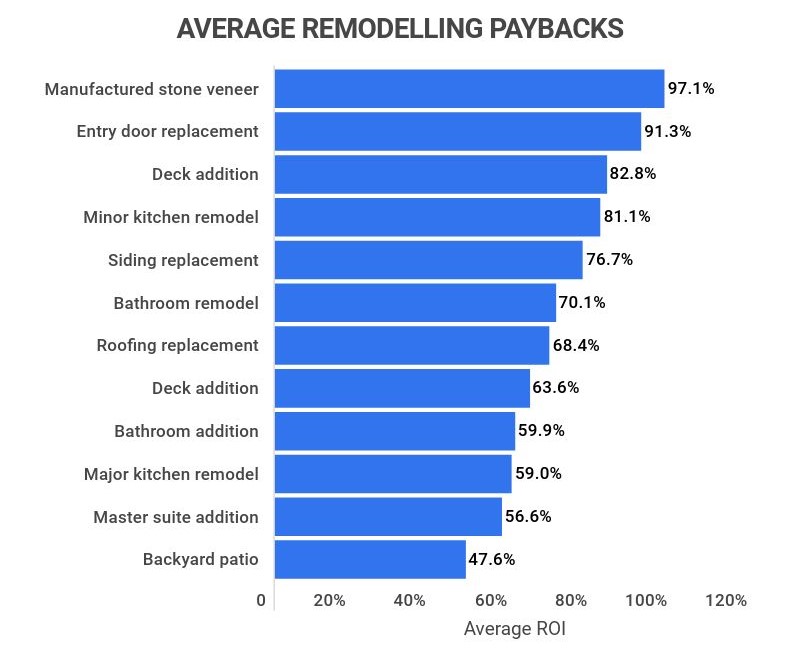
A typical kitchen remodel may cost anywhere from $10,000 to $50,000, depending on factors such as layout changes, appliance upgrades, and material selections.
Bathroom Renovations
Bathroom home improvement mix.com/ can range from $5,000 to $20,000 on average, with costs influenced factors such as fixture replacements, tile work, and plumbing updates.
Roof Replacements
Replacing a roof can cost between $5,000 and $15,000, depending on factors such as roof size, material type, and labor costs.
Deck Additions
Building a new deck averages between $4,000 and $10,000, with costs varying based on deck size, material choice, and complexity of design.
Interior Painting
Interior painting projects typically range from $1,000 to $5,000, depending on the size of the area, number of rooms, and paint quality.
Tips for Budgeting and Planning Home Improvement Projects
Research and Obtain Multiple Quotes
Shop around and obtain quotes from multiple contractors or service providers to compare prices and ensure competitive rates.
Prioritize Essential Projects
Identify and prioritize essential projects that address safety concerns or structural issues before tackling cosmetic upgrades.
Set Aside a Contingency Fund
Allocate a contingency fund of 10-20% of the total project budget to account for unexpected expenses or unforeseen complications.
Consider DIY Options for Cost Savings
Explore do-it-yourself (DIY) options for certain aspects of the project to save on labor costs, but be mindful of your skills and limitations.
Conclusion
Understanding national average home improvement costs is essential for homeowners embarking on renovation and remodeling projects. By considering factors such as location, project scope, and seasonal fluctuations, homeowners can better budget and plan for their projects, ensuring successful outcomes and maximizing their investment in their homes.