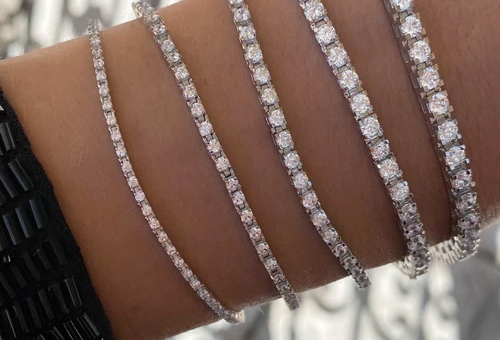
Love is changing. The way people show love is changing too. One big change is in engagement rings. Many couples now choose lab grown diamonds. These diamonds look like natural ones. But they are made in labs, not mined from the earth.
Choosing the right engagement ring is important. It shows your feelings. It is a symbol of your love. So, how do you pick the right lab grown diamond ring? Let’s explore this modern romance.
Table of Contents
What Are Lab Grown Diamonds?
Lab grown diamonds are real diamonds. They have the same chemical makeup as natural diamonds. They are made using science. Two main methods create these diamonds: High Pressure High Temperature (HPHT) and Chemical Vapor Deposition (CVD).
Both methods take carbon and turn it into a diamond. This process takes weeks or months. The result is a diamond that shines like a natural one.
Lab created diamonds Manchester are different from fake diamonds. Fake diamonds are made from other materials like glass or cubic zirconia. Lab diamonds are real diamonds.
Why Choose Lab Grown Diamonds?
Many people choose lab grown diamonds for many reasons. Here are some of the main reasons:
- Cost: Lab diamonds usually cost less than natural diamonds.
- Ethics: No mining means less harm to the environment.
- Quality: Lab diamonds can be very clear and bright.
- Size: You can often buy a bigger diamond for the same price.
- Traceability: You know exactly where the diamond was made.
For many, these reasons make lab grown diamonds a good choice. They fit modern values and budgets.
Choosing the Cut: The Diamond’s Sparkle
Cut is the most important factor. It affects the diamond’s sparkle and beauty. A well-cut diamond shines brightly. A poor cut looks dull, even if the diamond is big.
Common cuts include:
- Round: Classic and very sparkly.
- Princess: Square shape with sharp corners.
- Cushion: Soft, rounded corners like a pillow.
- Oval: An elongated round shape.
- Emerald: Rectangular with step cuts.
Think about what style your partner likes. Round is popular and timeless. But other cuts can be unique and special.
Color and Clarity: Finding the Balance
Lab diamonds come in many colors. Most people want near-colorless diamonds. These look white and bright.
Clarity means how clean the diamond is inside. Tiny marks or spots are common. Most are not visible to the eye. You can choose a diamond with small flaws if it saves money.
Remember, the cut affects sparkle more than color or clarity. So, prioritize cut over perfect color or clarity.
Carat: Size Matters but Not Always
Carat is the diamond’s weight. Bigger diamonds cost more. But size is not everything.
A smaller diamond with a great cut can look better than a big, dull diamond.
Think about your budget. Choose the biggest diamond you can afford with good cut and clarity.
Ring Style: Matching Your Partner’s Taste
Engagement rings come in many styles. The ring setting can change the look of the diamond.
Common ring styles include:
- Solitaire: One diamond on a simple band.
- Halo: Small diamonds around a center diamond.
- Three Stone: Three diamonds in a row.
- Pavé: Small diamonds on the band.
- Vintage: Old style with detailed design.
Think about what your partner likes. Do they prefer simple or fancy rings? Classic or modern styles?
Metal Choices for the Band
The metal band also matters. Popular metals include:
- White Gold: Looks like silver, shiny and bright.
- Yellow Gold: Classic gold color.
- Rose Gold: Pinkish gold, very trendy.
- Platinum: Strong and rare metal, more expensive.
Metal choice depends on taste and budget. Some metals last longer or need less care.
Budgeting Your Lab Grown Diamond Ring
Setting a budget helps you choose wisely. Lab diamonds usually cost 30-40% less than natural diamonds.
Decide how much you want to spend on the whole ring. Remember to include the band cost.
Prioritize cut and size in your budget. You want a ring that looks beautiful and lasts.
Where to Buy Lab Grown Diamond Rings
You can buy lab grown diamonds from many places. Online stores often have good prices. Physical jewelry stores let you see rings in person.
Make sure the seller is trusted. Look for certification from labs like IGI or GIA. These reports confirm the diamond’s quality.
Ask questions. Know the return policy. Check if the ring can be resized.
Caring for Your Lab Grown Diamond Ring
Lab diamonds are as strong as natural ones. They need care to stay beautiful.
- Clean the ring regularly with warm water and mild soap.
- Avoid harsh chemicals that can damage the metal.
- Store the ring in a soft cloth or box.
- Get it checked a jeweler once a year.
With care, your ring will shine for many years.
Final Thoughts
Choosing a lab grown diamond ring is a modern way to show love. It fits values like care for the earth and budget. Lab diamonds offer beauty, quality, and choice.
Remember the 4 Cs: cut, color, clarity, and carat. Focus on cut and size first. Think about your partner’s style and the ring band.
Take your time. Ask questions. Find a ring that feels right. This ring will be a symbol of your love story.
Modern romance is about making smart, kind choices. A lab grown diamond engagement ring can be just that.
Frequently Asked Questions
What Is A Lab Grown Diamond Engagement Ring?
A lab grown diamond is made in a lab, not mined from the earth. It looks like a natural diamond.
How Do Lab Grown Diamonds Compare In Price?
Lab grown diamonds usually cost 20-40% less than natural diamonds of the same size and quality.
Are Lab Grown Diamonds Real Diamonds?
Yes, lab grown diamonds have the same physical and chemical properties as natural diamonds.
How To Choose The Right Cut For Engagement Rings?
Choose a cut that shines well and fits your partner’s style and finger shape.