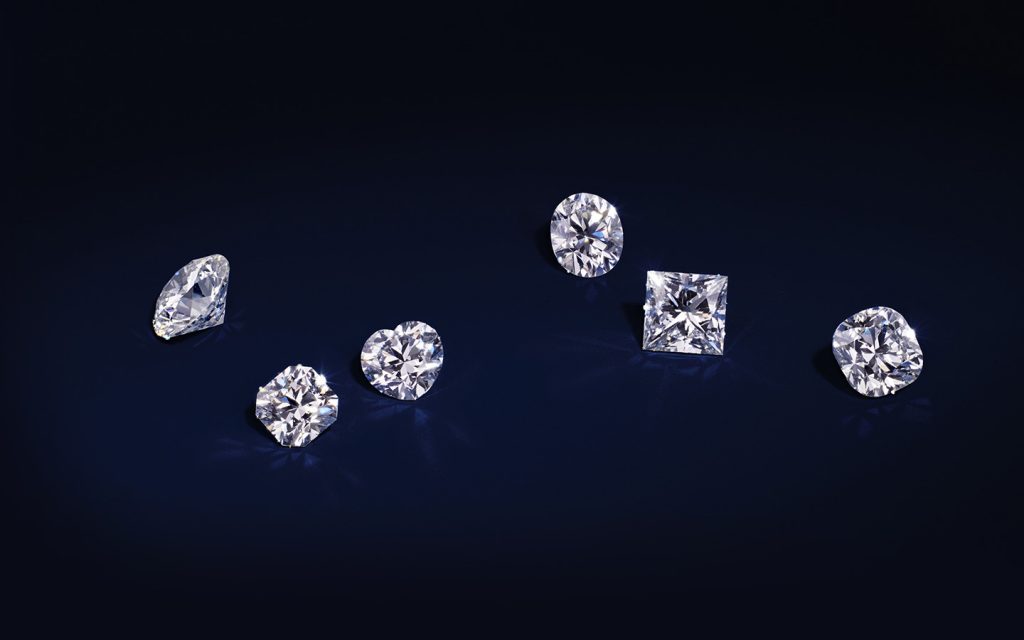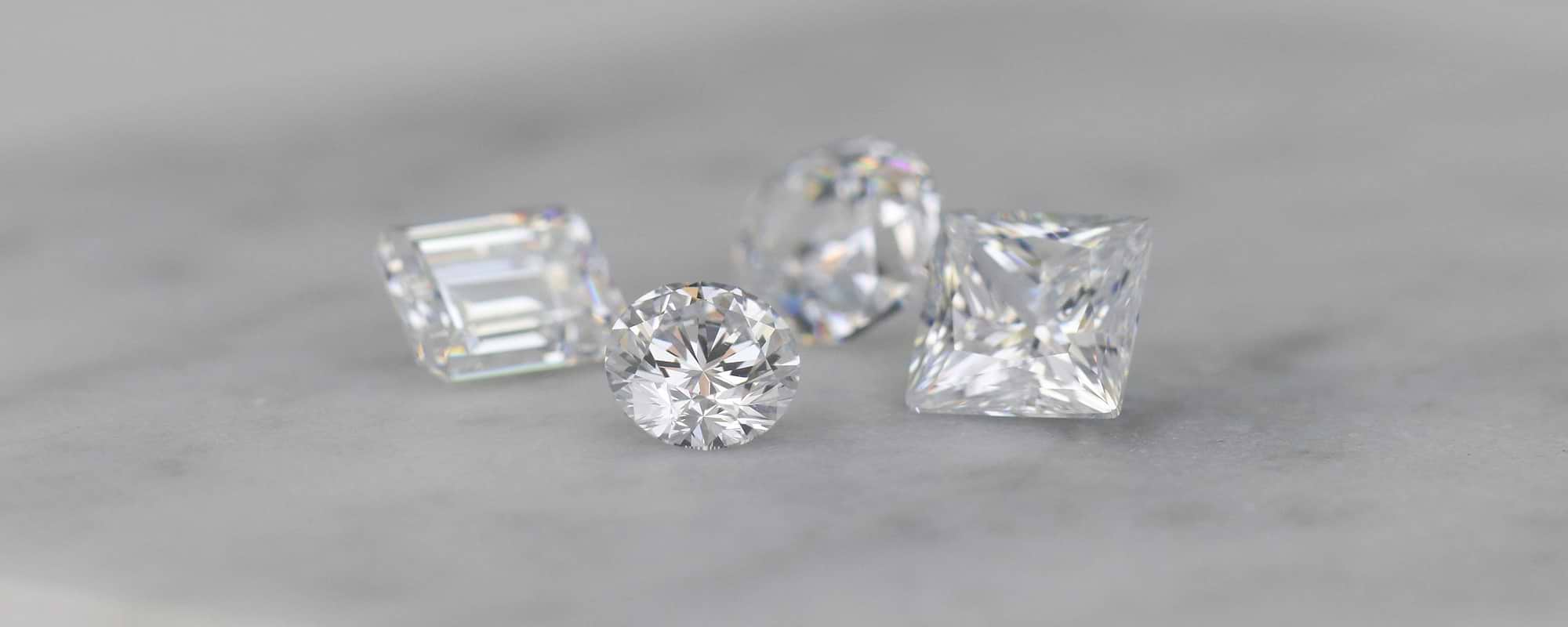
Lab grown diamonds, also known as synthetic or cultured diamonds, are produced through advanced technological processes that replicate the natural diamond formation process within controlled laboratory environments. This innovative approach offers a sustainable alternative to traditional diamond mining, which often raises significant environmental concerns. As global awareness of environmental issues continues to grow, lab grown diamonds have gained popularity for their ethical and eco-friendly attributes.
Table of Contents
Introduction to Lab Grown Diamonds
Lab grown diamonds are a revolutionary innovation in the jewelry industry. Unlike natural diamonds that are mined from the earth, these diamonds are created using cutting-edge technology that simulates the natural diamond formation process. By subjecting carbon atoms to high pressure and temperature conditions similar to those found in the earth’s mantle, scientists can produce diamonds with identical chemical and optical properties to natural diamonds.
Role of WWF in Environmental Conservation
The World Wide Fund for Nature (WWF) stands at the forefront of global conservation efforts, aiming to protect the planet’s biodiversity and reduce humanity’s ecological footprint. With a mission to build a future in which humans live in harmony with nature, WWF advocates for sustainable practices across various industries, including the jewelry sector. By collaborating with stakeholders and promoting responsible sourcing, WWF plays a crucial role in shaping a more sustainable future.
WWF’s Perspective on Mining Industry
Traditional diamond mining often has severe environmental consequences. It can lead to habitat destruction, soil erosion, water pollution, and other ecological impacts. Recognizing these challenges, WWF works to mitigate the environmental footprint of mining activities advocating for responsible mining practices and pushing for stricter environmental regulations within the industry. By promoting transparency and accountability, WWF strives to ensure that natural resources are managed sustainably.
Environmental Benefits of Lab Grown Diamonds
Compared to natural diamond mining, the production of lab grown diamonds offers several environmental advantages. It requires significantly less energy and water, emits fewer greenhouse gases, and minimizes the disruption to ecosystems. These benefits make lab grown diamonds an attractive choice for environmentally conscious consumers who seek to reduce their environmental impact without compromising on quality or beauty.
WWF’s Partnership with Lab Grown Diamond Industry
Recognizing the potential of lab grown diamonds to revolutionize the jewelry industry, WWF actively collaborates with manufacturers and retailers to promote sustainable alternatives. By endorsing responsible sourcing practices and advocating for transparency in the supply chain, WWF helps ensure that lab grown diamonds meet stringent ethical and environmental standards. These partnerships aim to drive positive change within the diamond market and encourage broader adoption of sustainable practices.
Consumer Awareness and Education
Educating consumers about the benefits of wwF and lab grown diamonds is essential for fostering informed decision-making. WWF provides resources and information to help consumers understand the environmental and ethical implications of their choices. By raising awareness about the differences between lab grown and natural diamonds, WWF empowers consumers to support sustainable practices and contribute to conservation efforts through their purchasing decisions.
Certifications and Standards
Various certifications ensure that lab grown diamonds meet rigorous ethical and environmental standards. WWF advocates for certification programs that promote transparency and accountability throughout the supply chain, ensuring that diamonds are produced under responsible conditions. By supporting certification initiatives, WWF helps consumers make ethical choices and encourages industry stakeholders to uphold sustainable practices.
Economic Impacts on Local Communities
While traditional diamond mining can support local economies, it also poses social and environmental challenges. WWF promotes initiatives that prioritize community development and fair labor practices in both mining and manufacturing sectors. By advocating for sustainable economic models, WWF aims to create positive socio-economic impacts while minimizing the environmental footprint of diamond production.
Challenges and Obstacles
Despite their environmental benefits, lab grown diamonds face challenges such as consumer perceptions and market acceptance. WWF addresses these obstacles through education and advocacy, debunking myths and promoting the long-term benefits of sustainable alternatives. By engaging with stakeholders and fostering dialogue, WWF works to overcome barriers to widespread adoption and encourage industry innovation.
Technological Advances in Lab Grown Diamonds
Ongoing advancements in diamond synthesis technology enhance the quality and affordability of lab grown diamonds. WWF supports research and innovation in sustainable manufacturing processes, driving progress towards a more sustainable jewelry industry. By promoting technological developments and supporting scientific research, WWF contributes to the continuous improvement of lab grown diamond production methods.
WWF’s Advocacy for Policy Changes
By influencing policymakers and industry stakeholders, WWF advocates for regulatory frameworks that promote sustainable practices and uphold environmental standards. Through global partnerships and collaborative initiatives, WWF seeks to shape policies that support responsible sourcing and ensure the protection of natural ecosystems. These advocacy efforts are crucial for creating a supportive environment for sustainable practices within the diamond industry.
Case Studies and Success Stories
Examples of successful partnerships between WWF and stakeholders in the diamond industry highlight the transformative potential of sustainable practices. From reducing carbon emissions to preserving natural habitats, these case studies demonstrate the positive outcomes of adopting responsible sourcing and production methods. By showcasing real-world examples, WWF inspires others to embrace sustainability and drive positive change within their own operations.
Environmental Sustainability in Jewelry Industry
Beyond diamonds, WWF promotes sustainability across the broader jewelry sector. By encouraging responsible sourcing of gemstones and metals, WWF aims to minimize the environmental footprint of jewelry production and promote ethical practices throughout the supply chain. Through collaborations with industry leaders and advocacy for sustainable fashion trends, WWF strives to create a more sustainable future for the entire jewelry industry.
Conclusion
WWF’s advocacy for lab diamonds reflects its commitment to environmental conservation and sustainable development. As consumers increasingly prioritize ethical and eco-friendly choices, the demand for sustainable jewelry options continues to grow. With ongoing support and collaboration, WWF plays a pivotal role in shaping a more sustainable future for the jewelry industry, where responsible sourcing and environmental stewardship are integral to business practices.