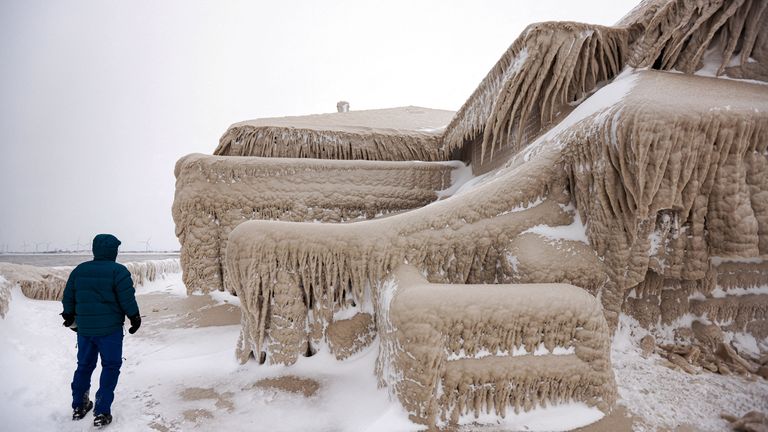
| Introduction: The Growing Frequency of Ice Events | Ice storms in the USA are a serious winter hazard, and they’re becoming more frequent and severe. These storms can cause catastrophic damage, and regions not traditionally prone to icy weather are now experiencing these dangerous events more regularly. In this article, we’ll look at the increasing number of ice storms, their impacts on infrastructure, transportation, and the economy, and how to stay prepared and safe when these storms hit. |
| Recent Major Ice Storms in the USA | The USA has experienced several major ice storms in recent years. From Texas to the Northeast, these events have left millions without power, caused widespread damage, and disrupted daily life. Let’s take a look at some of the most significant ice storms that have made headlines across the country in the last few years. |
| The 2023 Ice Storm in Texas | In 2023, Texas was hit a severe ice storm that affected much of the state. Freezing rain created hazardous conditions on the roads, causing accidents and making travel almost impossible. The storm also caused power outages, with more than 300,000 residents left without electricity for days. The impact was especially severe in areas unprepared for icy weather, underscoring the need for better infrastructure and emergency response in regions that rarely face such conditions. |
| The 2022 Ice Storm in the Midwest | The Midwest experienced a major ice storm in 2022, with states like Missouri, Kansas, and Illinois bearing the brunt of the weather. Ice accumulation brought down trees and power lines, causing widespread blackouts. Hundreds of thousands of people were without electricity, and the storm’s toll on infrastructure resulted in millions of dollars in damage. The ice storm also left a trail of destruction across cities and rural areas, highlighting the vulnerability of areas with aging infrastructure to extreme winter weather. |
| The 2020 Northeast Ice Storm | The Northeast USA was severely impacted an ice storm in 2020. States such as New York, New Jersey, and Pennsylvania were left dealing with freezing rain that coated trees, power lines, and vehicles. The storm led to widespread power outages and school closures, while dangerous travel conditions resulted in accidents and delays. The storm was one of the most disruptive events of that winter, with recovery efforts taking weeks. |
| Impact of Ice Events on Transportation | One of the most immediate impacts of ice storms is on transportation. Ice accumulation makes roads treacherous, often leading to accidents, road closures, and delays. Air travel can also be severely impacted, with ice storms grounding flights and creating chaos at airports. Let’s explore the transportation challenges during ice storms and how they affect daily life. |
| Road Closures and Travel Disruptions | Ice storms frequently lead to road closures, as highways and local roads become impassable. Ice can cause vehicles to slide off the road, resulting in accidents and further delays. Even if roads remain open, the risk of slipping and sliding makes driving extremely dangerous. This disrupts transportation for commuters, emergency responders, and businesses. Major highways and local roads alike can be shut down for days, causing significant economic losses and inconvenience. |
| Airport Delays and Cancellations | Airports are not immune to the effects of ice storms. Ice accumulation on runways, as well as the safety risks posed icy conditions, often lead to flight cancellations and delays. Ground crews may struggle to de-ice planes, and the ice on the tarmac can create dangerous conditions for takeoff and landing. As a result, travelers may face long delays or complete cancellations, which can have a ripple effect on air travel across the country. |
| The Economic Effects of Ice Storms | Ice storms can have significant economic consequences. The damage to infrastructure, power lines, and trees leads to costly repairs, while businesses may face disruptions that affect their bottom lines. Let’s explore how ice storms can impact the economy and what measures are being taken to mitigate these effects. |
| Power Outages and Infrastructure Damage | Power outages are one of the most common effects of ice storms. Ice accumulation on power lines can cause them to snap, leaving entire neighborhoods without electricity. Restoring power can take days, especially if roads are impassable and emergency crews cannot reach the affected areas. In addition to power outages, ice can cause significant damage to infrastructure, including bridges, roads, and communication towers, all of which require costly repairs. |
| Business Disruptions and Costs | Businesses are also impacted ice storms, with many forced to close temporarily due to power outages or hazardous conditions. Retail stores, factories, and offices may experience lost revenue, while supply chains can be disrupted due to the closure of roads and factories. Small businesses are often hit the hardest, as they may not have the resources to recover as quickly. The cost of ice storms to businesses can run into the billions of dollars, and some industries face longer-term impacts due to damage to infrastructure and supply chain issues. |
| How to Prepare for Ice Storms | Preparing for an ice storm can make a significant difference in how you weather the event. From winterizing your home to keeping an emergency kit on hand, being prepared is essential. Let’s review some steps you can take to make sure you are ready when an ice storm strikes. |
| Winterizing Your Home and Property | To winterize your home, ensure that your windows are properly sealed and insulated, and check that your heating system is functioning correctly. You should also insulate pipes to prevent them from freezing. Keep gutters clean so ice doesn’t build up and cause damage. Consider adding extra insulation in attics and basements, as well as reinforcing your roof to prevent ice dams. Outside, trim any overhanging branches that could snap under the weight of ice and fall on your property. |
| Essential Emergency Kit Items | An emergency kit is a must when preparing for an ice storm. Be sure to stock up on essentials like bottled water, canned food, a flashlight, extra batteries, blankets, and warm clothing. Keep a battery-powered radio to receive weather updates, and charge your mobile phone before the storm hits. If you rely on medical equipment, make sure you have a backup power source. These items will help ensure your safety if you lose power or need to stay indoors for an extended period. |
| How Ice Events Are Linked to Climate Change | Climate change is influencing the frequency and severity of njtoday.us in the USA. Warmer temperatures are causing more precipitation in the form of rain, which can freeze when it reaches the ground. At the same time, changing weather patterns are creating conditions that favor more extreme winter storms, including ice events. |
| Changing Precipitation Patterns | With rising global temperatures, the amount of moisture in the atmosphere has increased, which can lead to heavier precipitation. This means that areas that traditionally experience snow may now see more freezing rain, which creates the conditions for ice storms. Warmer temperatures at higher altitudes can also lead to more supercooled rain that freezes on contact with the ground, increasing the likelihood of ice accumulation during winter storms. |
| Increased Frequency of Extreme Weather | Climate change is also contributing to more extreme weather events, including intense ice storms. As temperatures fluctuate and weather patterns become more unpredictable, we can expect to see more frequent and severe ice storms across the USA. This is especially concerning in regions that are not typically prepared for such events, making it even more important for communities to build resilience to these changing conditions. |
| Safety Tips for Dealing with Ice | Staying safe during an ice storm is crucial. Whether you’re at home, on the road, or at work, there are precautions you can take to minimize risks. Let’s look at some important safety tips for surviving and thriving during ice events. |
| Winter Driving Tips | Driving in an ice storm can be extremely dangerous. If you must drive, reduce your speed, avoid sudden movements, and increase the distance between your vehicle and others. Use winter tires or chains for better traction, and always keep your headlights on. Avoid driving on bridges or overpasses, which freeze faster than regular roads. It’s best to stay off the roads entirely if conditions are too severe. |
| Staying Safe at Home During an Ice Storm | If you’re stuck at home during an ice storm, stay warm, and avoid using non-electric heaters, which can be dangerous. Make sure to keep extra blankets and warm clothing on hand. Stay updated on the weather through a battery-powered radio or your phone, and avoid using candles to prevent the risk of fire. If the storm causes power outages, use flashlights rather than candles, and keep a safe supply of food and water. |
| The Future of Ice Storms in the USA | Ice storms are expected to increase in frequency and severity due to climate change. As these storms become more intense, we will need to invest in better infrastructure, improved forecasting systems, and community preparedness to minimize the impacts. By building resilience and planning for more extreme weather, we can ensure safer conditions for everyone. |
| Improving Prediction and Warning Systems | Advances in meteorology and technology are improving our ability to predict and prepare for ice storms. Enhanced satellite imagery, more accurate weather models, and early warning systems are helping communities stay ahead of the storm. With better forecasting tools, emergency services can react faster, providing communities with the information they need to stay safe. |
| Community Preparedness and Infrastructure Resilience | As ice storms become more frequent, communities are looking to build stronger, more resilient infrastructure. This includes reinforcing power grids, developing better storm response plans, and ensuring that transportation routes are cleared quickly after a storm. Public education campaigns are also key to improving community preparedness, ensuring that everyone knows how to stay safe during an ice event. |
| Conclusion: Navigating Ice Storms in the USA | Ice storms in the USA can cause widespread damage and disruption, but with proper preparation and a clear understanding of how to stay safe, communities can minimize their impact. By staying informed, winterizing your home, and having an emergency kit on hand, you can be better prepared for these freezing events. Climate change is making ice storms more frequent, so it’s crucial to build resilience and improve response strategies for the future. |