


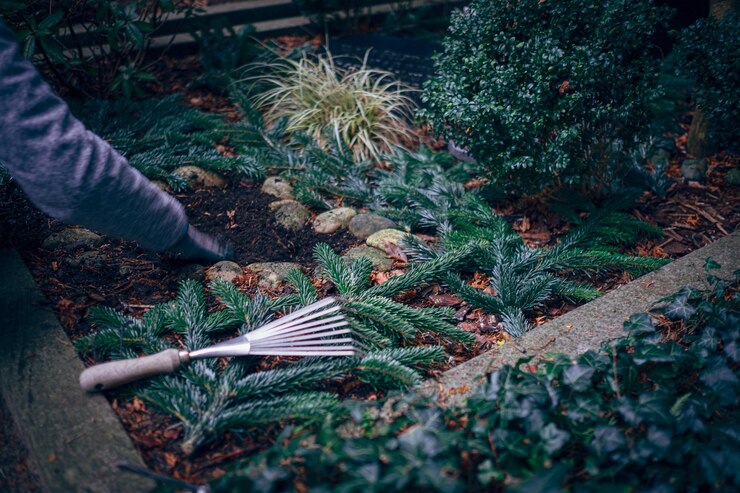
Imagine a garden that thrives with minimal intervention, mimicking the harmonious layers of a natural forest. This is the essence of forest gardening, a sustainable and productive approach to food production.
Inspired traditional practices and adapted for modern use, forest gardens are designed to create a vibrant ecosystem that yields a variety of fruits, nuts, herbs, and vegetables.
Key Features of Forest Gardens:
- Multi-layered planting: Trees, shrubs, herbs, and groundcovers are strategically arranged to maximize space and sunlight penetration. Tall trees form the canopy, while shade-tolerant plants flourish below.
- Biodiversity: A diverse selection of plants not only provides a wider range of edible yields but also attracts beneficial insects and pollinators, promoting a healthy and balanced ecosystem.
- Minimal maintenance: Once established, forest gardens require less watering, weeding, and fertilization compared to traditional gardens. This is due to natural processes like nutrient cycling and mulch generation within the diverse plant community.
Benefits of Forest Gardening:
- Sustainability: By mimicking natural ecosystems, forest gardens promote healthy soil, conserve water, and provide habitat for wildlife.
- Resilience: The diversity of plants fosters resilience against pests and diseases, creating a more robust and adaptable food system.
- Year-round yields: With careful planning, a forest garden can produce food throughout the year, offering a continuous source of fresh and nutritious produce.
Getting Started with Forest Gardening:
Forest gardening can be adapted to various scales, from small balconies to expansive landscapes. If you’re interested in creating your own forest garden, here are some initial steps:
- Research: Learn about the native plants suitable for your climate and explore resources on forest gardening techniques.
- Plan your design: Consider the sun exposure, water drainage, and desired yields when creating your layout.
- Start small: Begin with a manageable area and gradually add more plants as your knowledge and experience grow Aa40033.com/.
Forest gardening is a journey of discovery and experimentation. By embracing the principles of ecological balance and natural abundance, you can cultivate a thriving garden that nourishes both your body and the planet.