
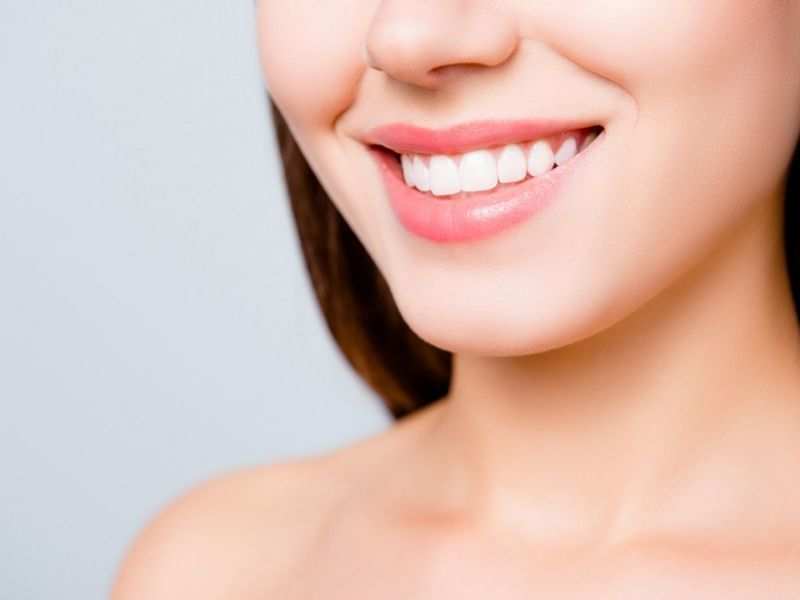
Teeth whitening is an effective method of lightening the color of your teeth or removing stains without any damage to the tooth surface.
Teeth aren’t always naturally white, even without stains. And our teeth only get more discolored as we age. Teeth stains are usually caused food and drinks such as coffee, red wine, tea, or fruits like strawberries and blackcurrant. Smoking is also a primary cause of teeth discoloration.
With the growing popularity of teeth whitening, there are many products commonly sold everywhere. However, most times they don’t work. This is because sometimes stains on teeth are internal, not external. In cases such as these, professional teeth whitening from a cosmetic dentist is needed.
Unfortunately, teeth whitening doesn’t work for everyone. Teeth whitening does not affect genetically dark teeth. Subtle differences could be noticed after professional whitening, but not enough to make an obvious difference.
Teeth whitening will, however, work on dead teeth after root treatment. The product will have to be applied from inside to whiten the tooth.
What Happens During Professional Teeth Whitening?
The most common form of professional whitening is laser whitening (also called powder whitening). The steps are as follows:
- First, a mold of your teeth will be taken to create a custom tray for your mouth which you’ll need later during the procedure.
- You will be given safety eyewear and a rubber shield or gel is applied to your guns as protection.
- An activation gel composed primarily of hydrogen peroxide will be applied onto your teeth using the specially made mouthguard-like tray formed from your mold.
- The gel will then be activated a plasma laser light.
- As the hydrogen peroxide is being broken down, oxygen will get into the enamel on the teeth and it is made whiter.
- Your teeth will be positioned in place. You will not be allowed to move for about fifteen minutes at a time, which is the length of each session.
- More gel will be applied to your teeth periodically to ensure you get the best results possible.
- Towards the end of the procedure, you will start to feel sharp electric shocks. These will not be painful, but merely somewhat uncomfortable.
After the procedure has ended, you’ll be good to go with only a few instructions and minor side effects.

Instructions
- You will be advised not to drink or eat anything with color for the following week. This is because your teeth will be more vulnerable to staining.
- If you smoke, you will be advised to stop for about a week after the procedure. Smoking after the procedure will mean that the tar and nicotine will be absorbed faster into your teeth. If you have to smoke, do so with your whitening trays covering your teeth.
- If you are a coffee drinker, use a straw to avoid staining your teeth.
- Rub Vaseline on your teeth if you have to drink red wine. The Vaseline acts as a barrier so the staining liquids don’t meet your teeth.
- Drink water immediately after eating so the residue doesn’t sit on your teeth.
- To maintain the whiteness of your teeth, you will be given customized trays to use. You will be advised to use it once a month on your own for thirty minutes.
- You will be instructed to use your customized tray to apply a lower dosage of peroxide for thirty minutes each day of the following week to maintain the look. You will be provided with a soothing gel in case you experience shock-like sensations.
- To keep your teeth safe from surface stains, mix a fresh batch of baking powder and liquid hydrogen peroxide to the consistency of toothpaste. You will then brush your teeth with it to eliminate all surface stains.
Side Effects
- Heightened sensitivity: Your teeth are expected to have increased sensitivity following the procedure. Your teeth will be more sensitive to hot or cold temperatures and you might experience dull aches or sharp pains. This is manageable avoiding hot or cold foods and using over-the-counter pain medication.
- Slight Chemical Burns on Gums: With a well-qualified cosmetic dentist, this could be minimized or avoided completely. It happens if the whitening gel touches your gums, resulting in a brief but irritating chemical burn. The gums will become discolored and sting for a few hours, but they should heal fully within a couple of days.
Warning: The professional whitening procedure is not for individuals under the age of seventeen. This is because their teeth are still developing so the dentin tissues within their teeth are not well protected. Whitening treatment would result in greater risks.


