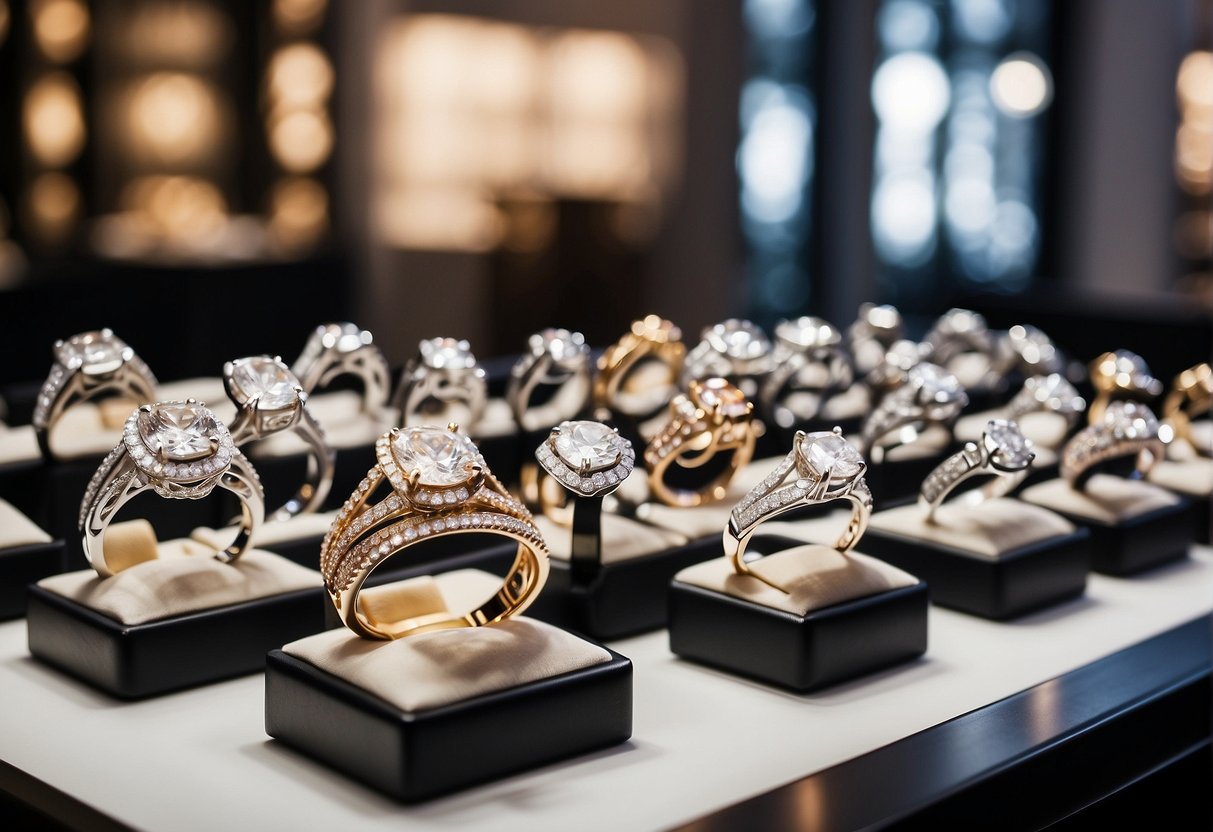
Fake gems aren’t rare finds anymore. These days, they pop up in wedding bands, studs, even casual jewelry. When thinking about buying, get real details instead of flashy talk. Here’s a look at what these grown stones really are, ways they stand apart from earth-mined rocks, plus tips to pick the fit that suits your life.
Table of Contents
Lab Diamonds Explained
Diamonds made in jewellery Parramatta? They’re genuine. Not fakes. Same atoms arranged just like mined ones. Only where they come from changes things. Earth makes natural stones, slowly, way below ground, across ages. Humans build lab versions aboveground, fast, inside high-tech chambers. Underground conditions come back through controlled steps. They appear alike at first glance. Tools are required for specialists to spot differences. Take a one carat lab diamond ring – it mirrors a mined version of equal rating.
How They Are Made
Folks usually pick one of two ways. Most times, it’s either this approach or that one. Some go left, others right – depends on what fits.
High Pressure High Temperature
A different way of making diamonds begins pressing carbon tightly. Heat builds up around it, slowly changing its structure into that of a real gem.
Chemical Vapor Deposition
A small piece of crystal starts the process, along with gas. Over time, carbon layers stick one after another until a diamond takes shape. One way works like this; the other does too – both deliver gems that pass standard checks.
People Pick Lab Diamonds
Footprints in snow show where it leads.
- A fraction of the price when set beside mined gems
- Consistent quality
- More control over size and clarity
- Clear sourcing
A set budget might let you choose a bigger gem or something finer. For instance, that amount could buy either a one carat natural diamond or stretch to a 1.5 carat lab grown one.
Understanding Quality The Four Cs
Starting off, lab diamonds go through identical grading steps as their mined counterparts. To get a handle on quality, think about carat, cut, color, then clarity – linked together like stepping stones. Each aspect shapes how the stone appears, matters just as much as the next. Seeing them separately helps more than lumping everything into one idea. Weight plays a role, sure, but so does sparkle. Tone counts, even if slight. Precision in shaping affects shine too. Nothing stands alone here.
Cut
Light bounces differently depending on a diamond’s shape. Brightness jumps out when the shaping is just right. Start checking how it’s been shaped above all else. Appearance leans heavily on this more than anything else.
Color
A stone’s tint can range from clear to faint gold. Many lab-made versions come out nearly free of hue. For that bright white glow, pick ones rated just below flawless or higher. Sometimes the purest shades surprise most.
Clarity
Faults inside a diamond define its clarity. Magnification usually reveals what the naked eye cannot see. Pick a level where imperfections stay hidden when you look closely.
Carat
A stone’s weight comes down to carats. Sometimes smaller looks sharper. A good fit between shape, sparkle, and purity matters more. Size alone doesn’t tell the whole story.
Price and Value
Laboratory-grown stones often come at a lower price than those pulled from the earth. Sometimes the difference hits hard when you check the numbers. One reason sits in how quickly they’re made. Factories shape them in weeks, not centuries. Because supply lines are tighter, prices stay steadier. Digging through rock isn’t part of the process here. That cuts out heavy expenses tied to excavation. Lower cost doesn’t point to worthlessness. It simply follows another way of calculating value. Picture bold looks? Lab stones deliver without stretching budgets. Yet craving something time cannot copy? Earth-grown gems hold that edge.
Choosing the Right Stone
Whatever matters most comes first. Is it how big it looks, how much it shines, or what it costs? After that, just move step step through an easy method.
- Set a budget before browsing
- Choose a shape you like
- Fine cuts come before anything else
- Choose colors that shine without clouding sharpness, all while staying near your limit
- Compare multiple stones before deciding
A tight budget? Go for a top-tier cut, pair it with decent color, then aim for clarity that looks clean to the eye. That mix delivers the strongest appearance.
Certification Matters
A smart move is checking the paperwork first. Trusted lab-grown stones include detailed analysis from known testing centers. That document shows exactly how good the stone really is. Skip that proof, then there’s no way to know if it’s honest.
Common Misunderstandings
Start thinking about lab diamonds like regular ones – they’re identical. What matters? Knowing they aren’t imitations. Not at all like cubic zirconia, which is something else entirely. Strength isn’t an issue; these stand up just as well. The only difference lies in how they form – man-made settings instead of deep underground. Still diamonds, just another origin story.
Resale and Future Outlook
Most people do not buy lab diamonds hoping to sell them later. Unlike mined stones, their pricing works another way entirely. Should reselling ever cross your mind, take a moment to reflect. Wearing it daily and loving how it looks might outweigh future sale plans. The joy of use often matters more than what happens down the line. A ring meant to last decades shifts focus toward everyday worth instead of what it might sell for later.
Where They Stand in Today’s Market
Sure, lab diamonds get plenty of attention now. Most jewel shops include them right next to mined stones. Look around and you’ll spot these options at nearly every counter
- Engagement rings
- Wedding bands
- Fashion jewellery
Once seen as just for specialists, they now fit right into everyday choices. Their place in regular offerings is clear.
Making a Practical Decision
Pick according to what life looks like for you. Start thinking: how much can you spend? What size feels right? Does where it comes from matter? Is this something you’ll have on every day? The way you reply shapes the decision. One perfect solution doesn’t exist. It’s about matching your real needs.
Lab Diamonds Used Every Day
A lab diamond keeps up just fine in real life. Built tough, these stones won’t easily mark. Scratches slide right off. Their sparkle sticks around. Take someone wearing a lab diamond ring daily – it looks much like new after years, as long as it’s cleaned now and then.
Simple Buying Checklist
Take a moment. Look at this first
- Check certification
- Confirm return policy
- One choice might work. Another could fit better. A third option often shows what the others miss
- Inspect the diamond under good lighting
- Ask for clear pricing breakdown
Mistakes stay away when choices rest on solid ground.
FAQ
Are lab diamonds real diamonds?
Fine. Identical build, matching traits – just like real diamonds. Same down to the core.
Do lab diamonds last as long as mined diamonds?
Fine for everyday use, they hold up just as well. Still, both handle regular wear without issue.
Why are lab diamonds cheaper?
Fresh off assembly lines, these come from tight-check zones where lower prices meet steady output.